
Case Studies
Case Studies
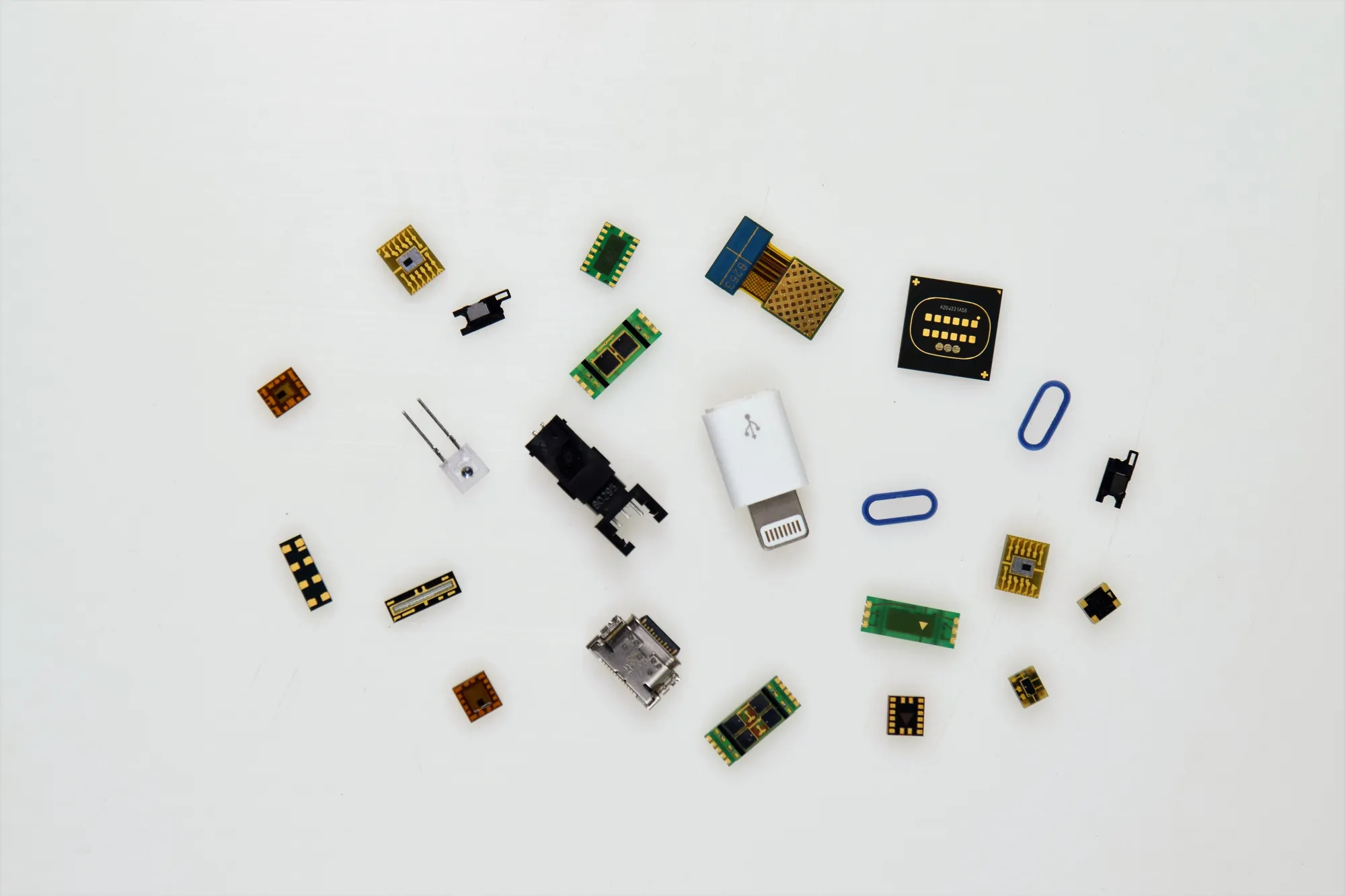
From 0.3 mm SMD parts to automotive arm parts, plastic injection-molded parts and zippers — organized by part, process, and the numbers that came out of it.
Ask whether your part will work9 cases
-
 ▶ 0:31
Semiconductor · Electronic component manufacturing · IAI
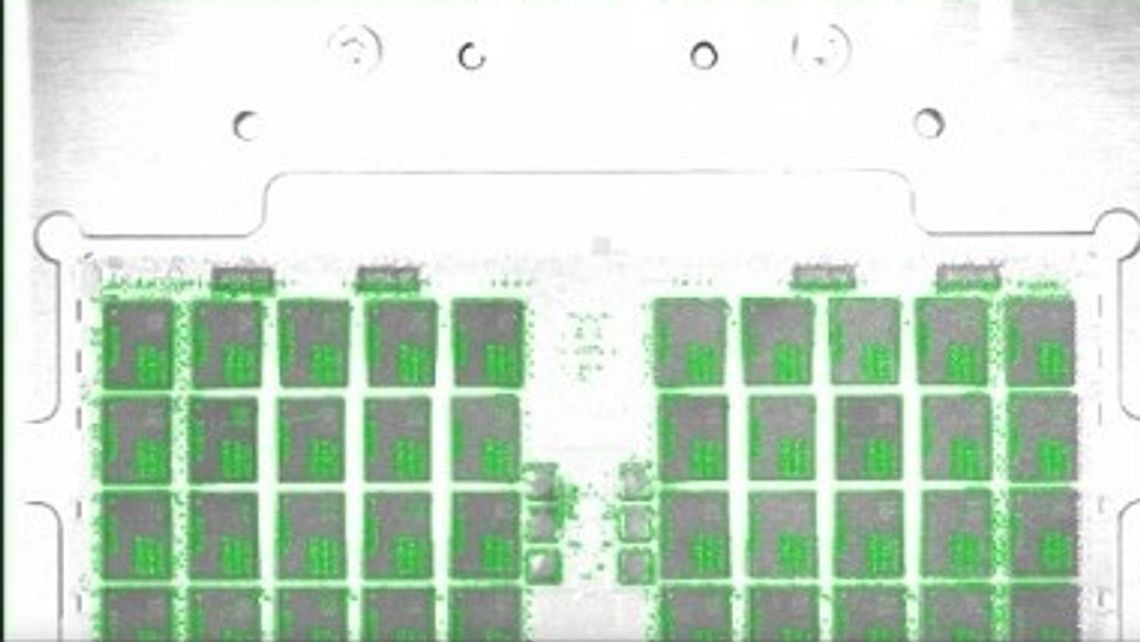
Semiconductor Destructive Inspection Automation That Finds Inspection Points Without Fixed Coordinates
Two cameras acquire rough coordinates and then precise coordinates at four corners in sequence, locating the destructive inspection points of semiconductors whose chip layout differs by product — without fixed coordinates.
- Cameras that locate the inspection coordinates — one for rough coordinates, one for precise corner coordinates
- 2 cameras
- Corners where precise coordinates are acquired for every product
- 4 corners
-
 ▶ 1:27
Plastic injection molding · Plastic injection-molded parts (high-mix)
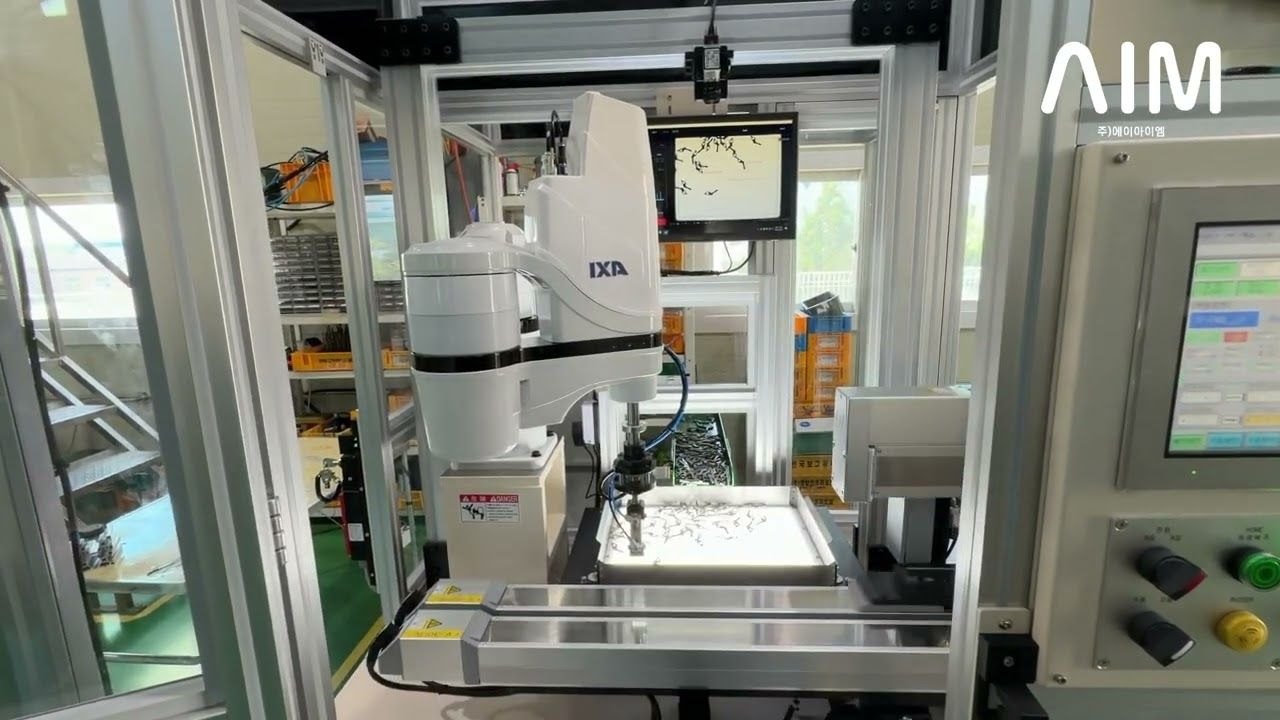
High-Mix Injection-Molded Parts Picked and Placed at a ~2-Second Cycle Time
A 2D robot vision pick-and-place automation applied on a real production line. High-mix plastic injection-molded parts are fed by a flexible feeder, their position and orientation recognized, and picked and placed at a cycle time of about 2 seconds.
- Pick-and-place cycle time per injection-molded part
- ~2 s
- Deployment site
- Real production line
-
 ▶ 1:11
Plastic injection molding · Electronic components · Plastic injection-molded parts (various shapes)
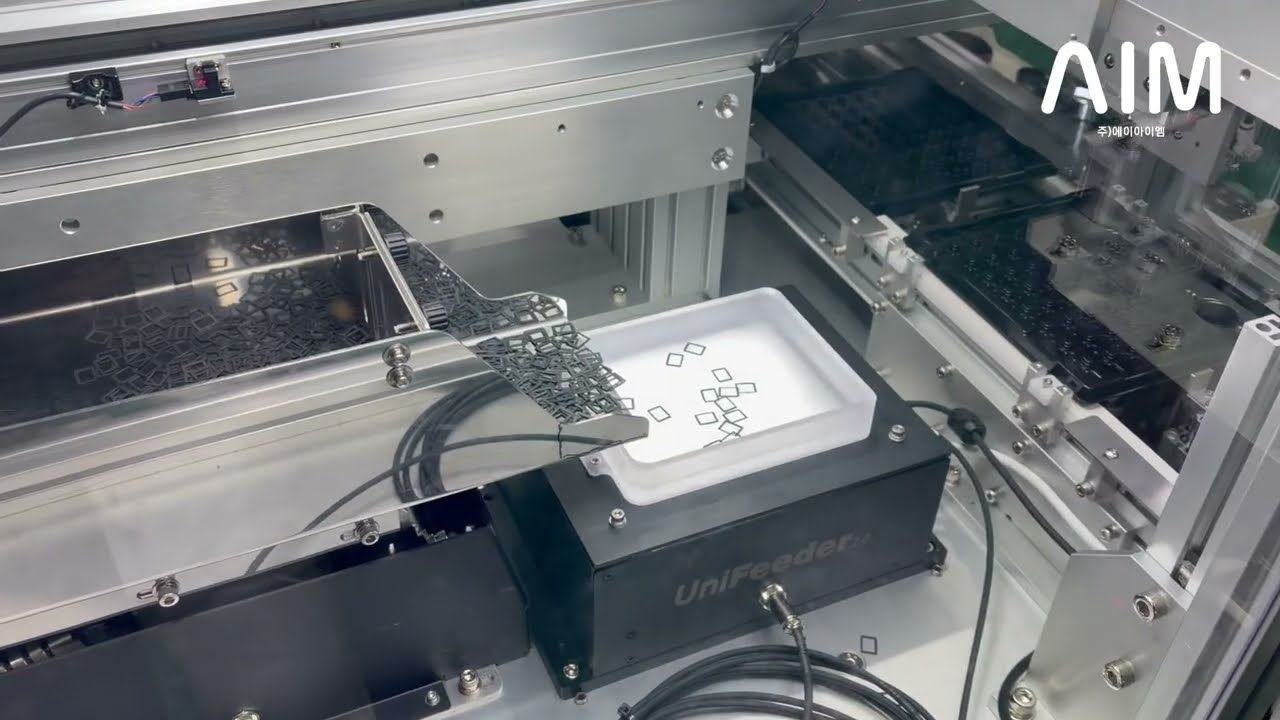
High-Speed Feeding of Plastic Injection-Molded Parts — One Part Every ~2 Seconds with a Cartesian Robot
The UNI FEEDER flexible feeder, RoboEye machine vision and a Cartesian robot were combined to recognize the position and orientation of plastic injection-molded parts in real time and pick and place them at high speed with a cycle time of about 2 seconds.
- Pick-and-place cycle time per injection-molded part
- ~2 s
-
 ▶ 1:17
Automotive parts · EPSON
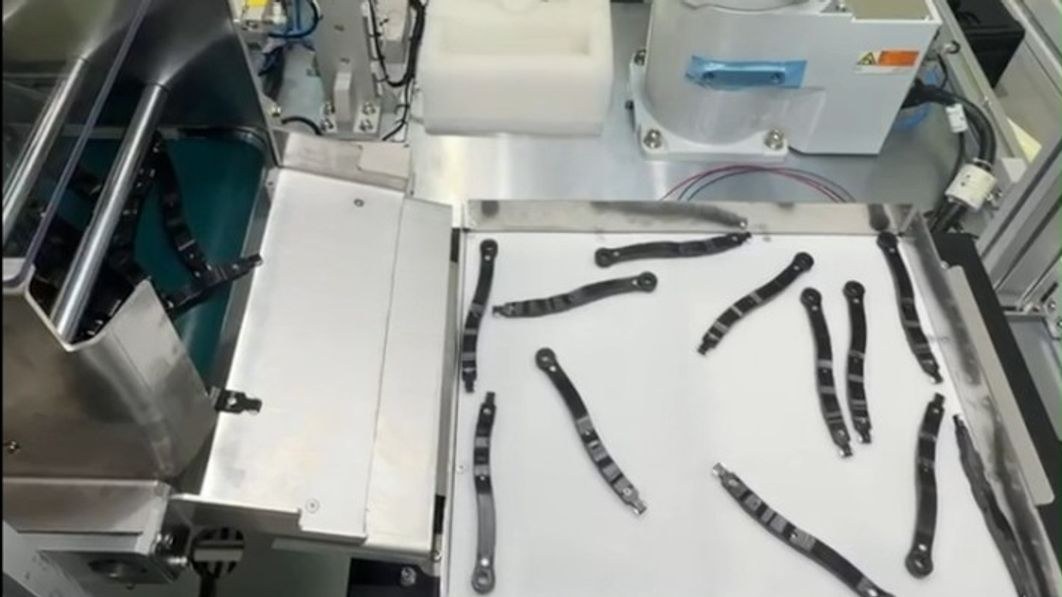
Automotive Arm Part Feeding That People Used to Do — 10–12 pcs/min on the Same Feeder Even as Variants Change
Manual feeding of automotive arm parts was automated with UNI FEEDER 5.0, RoboEye machine vision and an EPSON 6-axis robot, feeding and inserting at 10–12 pcs/min on a configuration built for a line whose variants keep changing.
- Feed and insertion rate
- 10–12 pcs/min
- Feeding and insertion process previously done by hand
- Manual work replaced
-

Electronic component manufacturing · 4 × 6 mm
4×6 mm Silicone Parts a Vibratory Feeder Couldn't Handle, Auto-Inserted into Trays at 0% Defects
4×6 mm transparent silicone parts that a bowl feeder could not feed at all because of their elasticity and surface tension were auto-inserted at 30–40 pcs/min with 0% defects using the existing trays, replacing the manual work of six operators across two day/night shifts.
- Defect rate
- 0%
- Feed and insertion rate
- 30–40 pcs/min
-
 ▶ 1:59
Apparel accessories · Hyundai Robotics
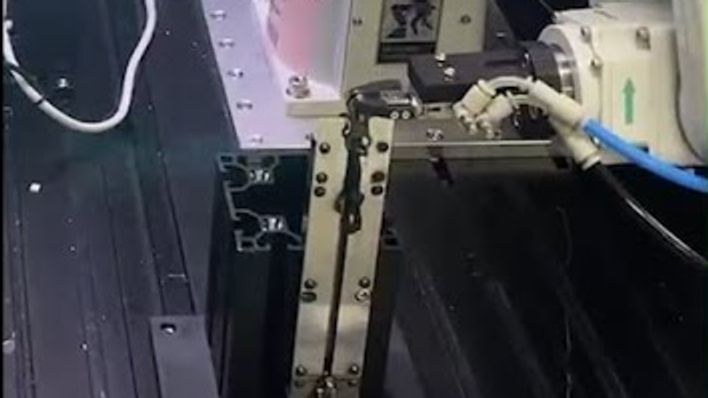
Zipper Insertion That Never Waits for Alignment — Left/Right Recognition Switches the Insertion Motion Automatically
An assembly automation for zippers — an apparel accessory — with no orientation alignment: RoboEye 2D vision recognizes both left- and right-facing parts, and a Hyundai Robotics 6-axis robot automatically selects the insertion motion that matches the orientation.
- Zipper orientations recognized by vision (left and right)
- 2 orientations
- Robot insertion motion by recognized orientation
- Auto-selected
-
 ▶ 1:36
Electronic component manufacturing · IAI
0.3 mm SMD Parts, Reel Taping Automated with ±0.05 mm Pick-and-Insert Error
0.3 mm-class SMD parts corrected by two cameras (top and bottom) were reel-taped automatically with a pick-and-insert error of ±0.05 mm, cutting work time by 70% compared with the manual process.
- Pick-and-insert coordinate error
- ±0.05 mm
- Work time reduction
- 70%
-
 ▶ 0:55
Automotive parts · Hyundai Robotics · HH7
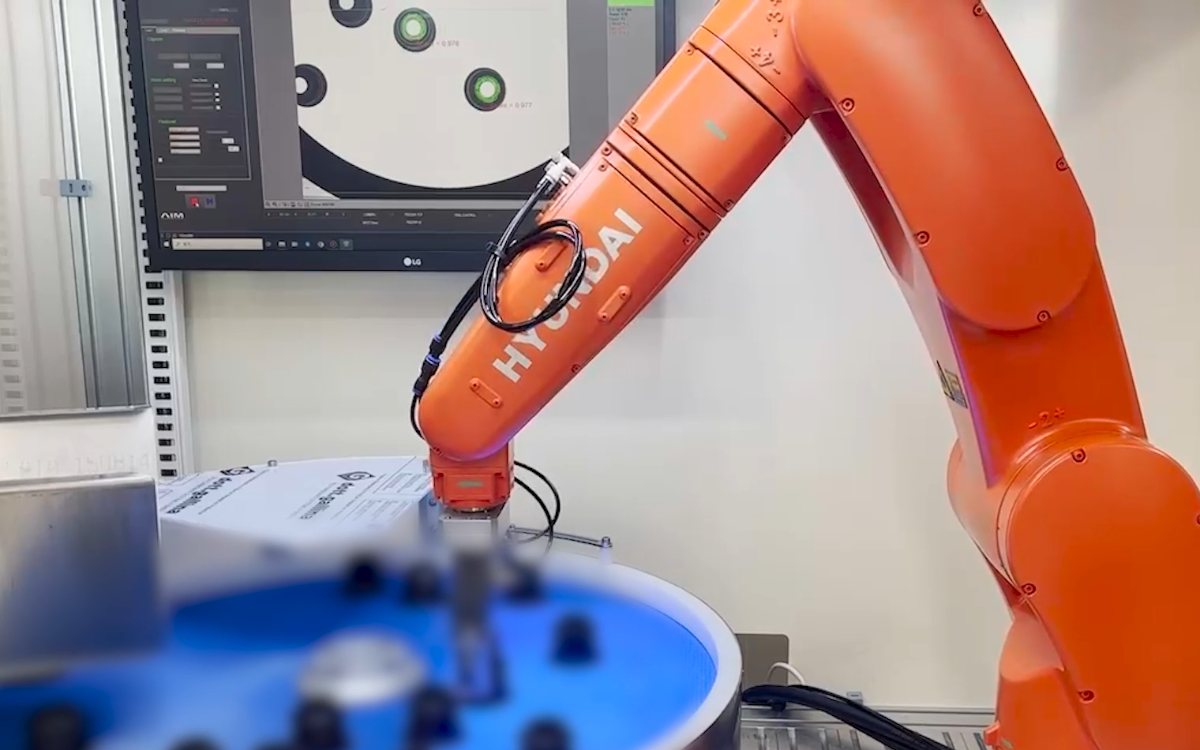
Variant Changeover Under 5 Minutes, Pick Alignment ±0.2 mm — Hyundai Robotics HH7 Flexible Feeding
A configuration verified together with Hyundai Robotics, pairing the AIVE flexible feeder and RoboEYE vision with the HH7 robot. On automotive sensors, housings and terminals, it confirmed variant changeover under 5 minutes and pick alignment of ±0.2 mm.
- Pick alignment accuracy
- ±0.2 mm
- Variant changeover (recipe swap) time
- Under 5 min
-
 ▶ 0:54
Electronic component manufacturing · FANUC
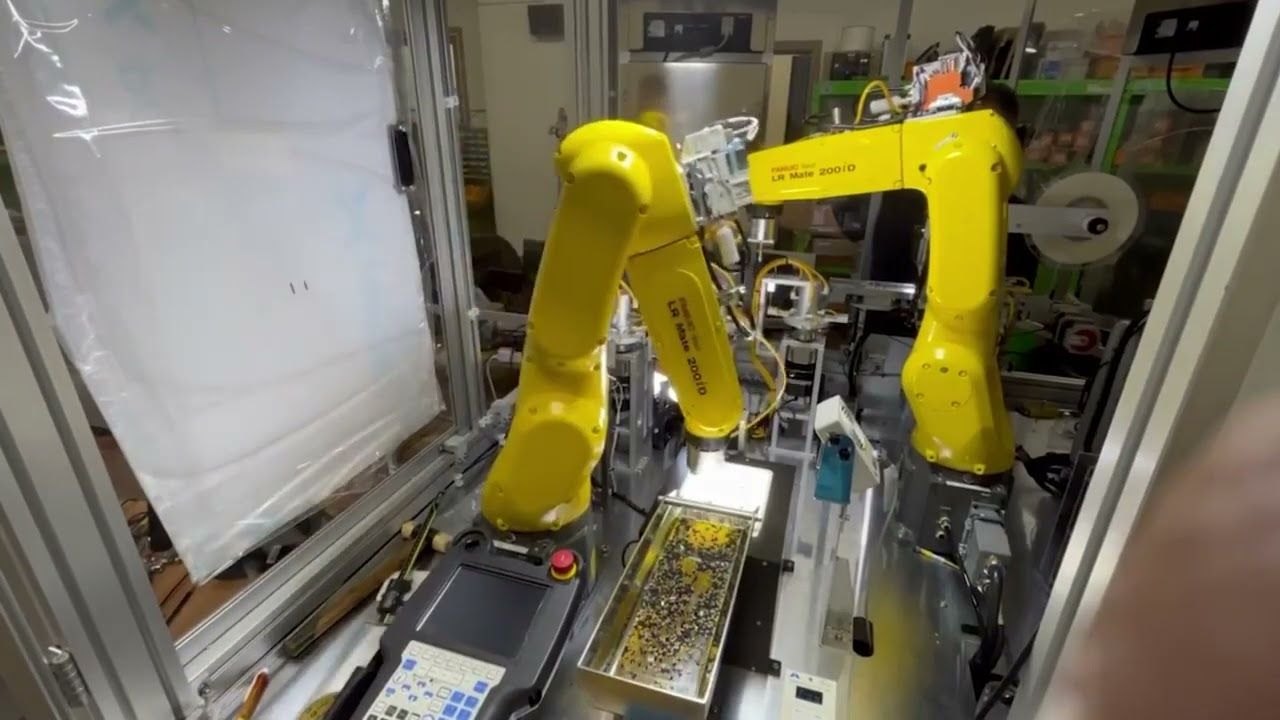
Micro Electronic Component Reel Taping with a FANUC Robot — Feeding, Picking and Inspection in One Flow
The AIVE flexible feeder spreads micro electronic components evenly, 2D robot vision recognizes their position and orientation and passes coordinates to a FANUC robot, and picking, reel taping and inspection follow in a single cell.
FAQ
Frequently asked about our case studies
What do you do with parts a vibratory (bowl) feeder cannot feed?
A flexible feeder scatters the parts on a flat plate and a camera picks out only the ones that can be gripped, passing their coordinates to the robot. Because no alignment track has to be machined for each part, parts that are too elastic or too sticky for a bowl feeder can still be fed. One case automated 4×6 mm transparent silicone parts this way.
When the part changes, does the equipment have to be rebuilt?
Instead of changing the mechanism, you change the recipe on screen. Part shape, lighting and feeder vibration settings are saved per variant and recalled. In the Hyundai Robotics HH7 case, a multi-variant changeover took under 5 minutes.
Does it connect to the robot we already use?
The default is exchanging coordinates and signals over standard TCP/IP, and brands that need a vendor-specific protocol are handled separately. The cases alone cover Hyundai Robotics, IAI, EPSON and FANUC, and there is also a PLC-side integration case.
How small a part can it handle?
The smallest in the cases was a 0.3 mm SMD part, with a pick-and-insert error of ±0.05 mm. Size alone does not decide it, though — surface condition, overlap and whether there is a face to grip all matter as well.
Does the vision system tell the part orientation too?
Yes. For parts whose front/back or left/right differ, it judges the orientation and passes it to the robot. In the zipper insertion case, it recognized both left- and right-facing parts, and the robot switched its insertion motion automatically so it never had to wait for the orientation to line up.
Can you check first whether our part will work?
Send us a photo and the dimensions of the part plus the robot you use now, and we will review feasibility. Since the configuration depends on the process and the part, we start by showing you a similar case and pointing out the differences.
Even if your part isn't here, we'll start by checking whether it works.
Send a photo and the dimensions of the part and the robot you use now — we'll show you a similar case first and point out the differences.