Challenge
Waiting for the orientation to line up stretches the cycle
The insertion pose of a zipper depends on the direction it lies in. If vision recognizes only one orientation, the system has to wait until the part is aligned that way, or a separate orientation step has to be added. That waiting and extra step go straight into the cycle time, making it hard to satisfy high-speed assembly and high-mix production on the same equipment.
Solution
Recognize both left and right, and let the robot switch its insertion motion automatically
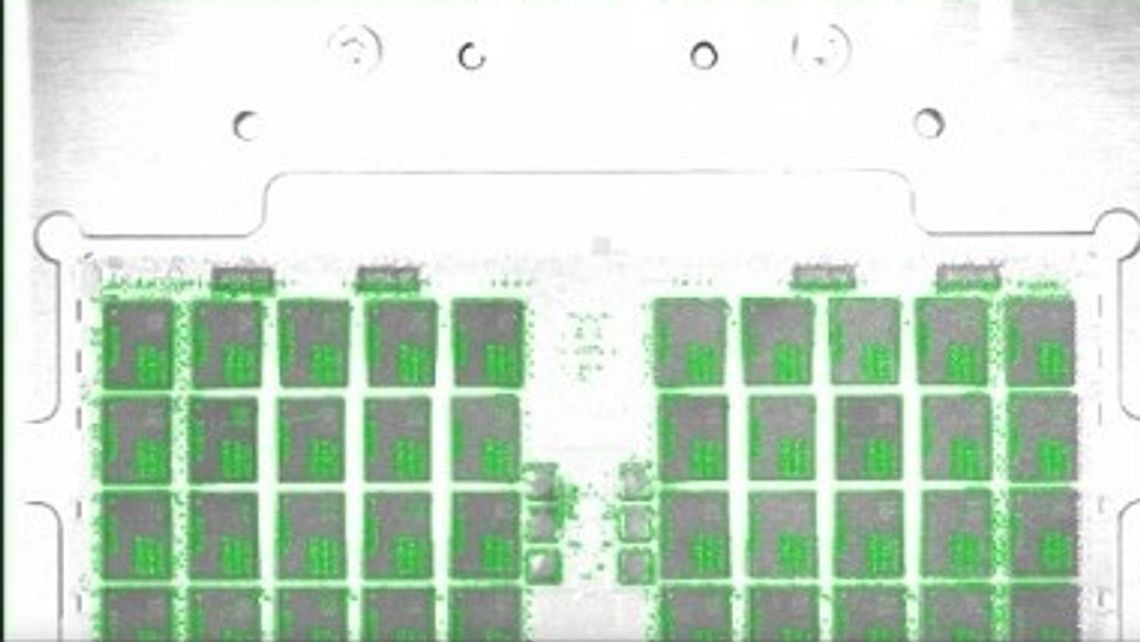
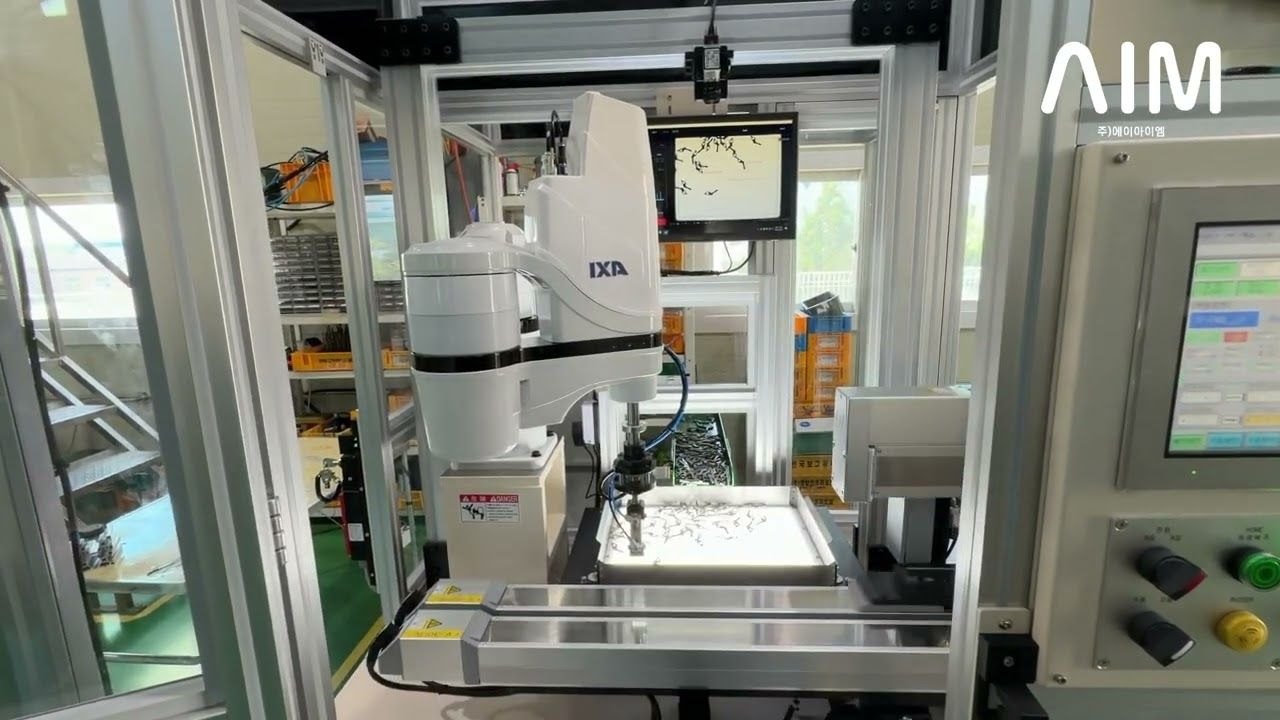
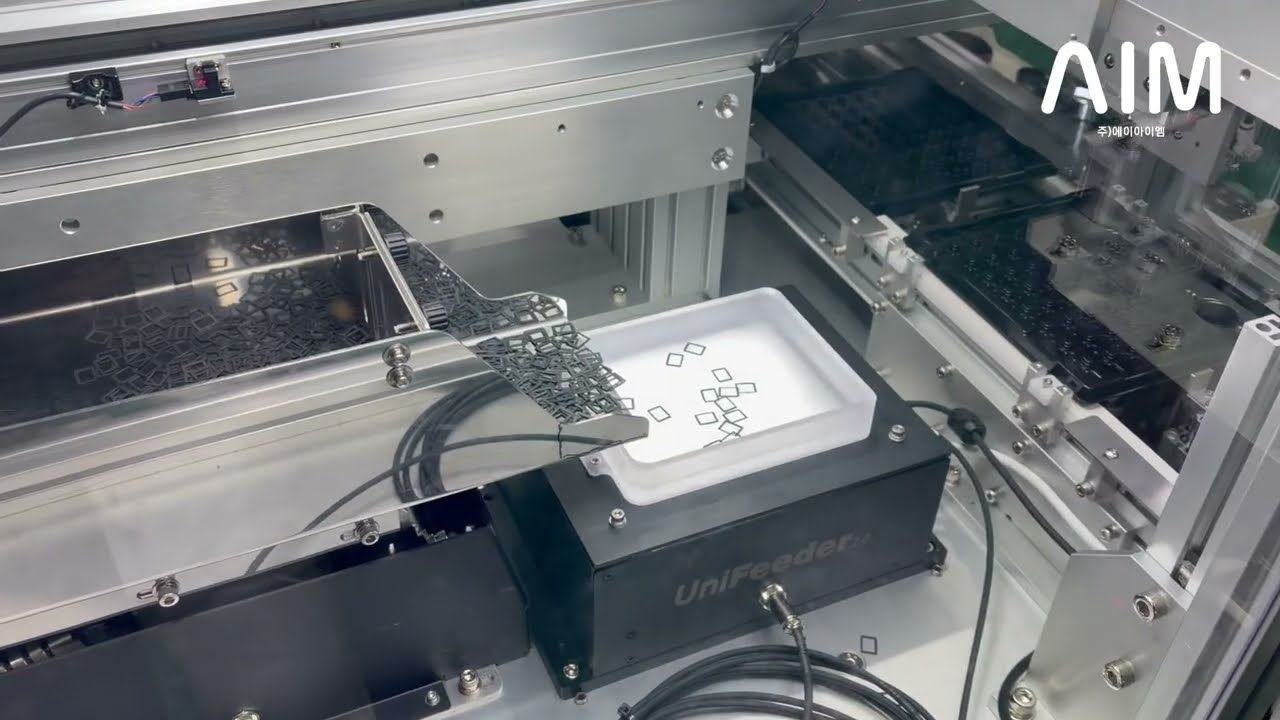
The AIVE flexible feeder supplies the zippers, and RoboEye 2D vision recognizes the part orientation as either left or right. According to the recognized orientation, the Hyundai Robotics 6-axis robot automatically selects a different insertion motion and fits the zipper. Instead of placing an orientation step in front, the problem was solved by reading the orientation and changing the robot’s motion.
- AIVE flexible feeder — supplies zippers in a variety of poses.
- 2D vision orientation recognition — distinguishes both left and right rather than seeing only one orientation.
- 2D vision inspection — an inspection step follows orientation recognition.
- Automatic robot motion selection — the robot picks the insertion motion that matches the recognized orientation.
- Zipper insertion — assembly with the selected motion.
Results
No waiting for alignment — parts arriving in varied poses are inserted as they come
- Both left and right orientations of the zipper were recognized — this is not a single-orientation configuration.
- The robot automatically selected different insertion motions according to the recognized orientation.
- Parts in varied poses were processed immediately, without waiting for orientation alignment.
- Switching motions automatically reduced cycle time and kept assembly stable. The size of the reduction depends on the part and process configuration.
- With zippers, an apparel accessory, as the target, this configuration suits assembly processes that need both high-mix production and high-speed automation.